Category: Exotic Pet Care | Difficulty: Intermediate
Word Count: ~600 | Published: Today
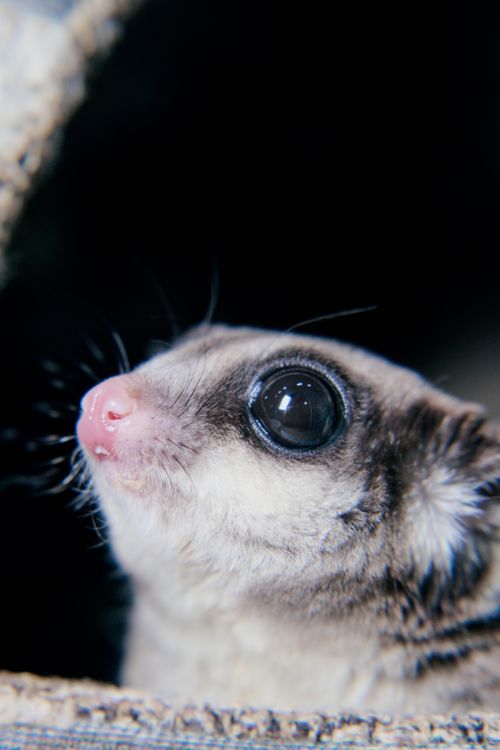
Sugar gliders are small, nocturnal marsupials famous for their ability to glide through the air thanks to a membrane called a “patagium” that stretches from wrist to ankle. They are incredibly social, smart, and bond deeply with their owners — but they are a serious commitment that requires time, knowledge, and daily care.
Before getting a sugar glider, understand that they can live 12–15 years. That’s a longer commitment than most dogs. They also need a companion — you should never keep just one. If you can’t commit to two gliders and 15 years of care, a sugar glider is not the right pet for you.
🏠 Housing and Enclosure
Sugar gliders need a tall cage — not a wide one. They love to climb and glide, so vertical space is essential.
Cage requirements:
- Minimum size: 24″ wide × 24″ deep × 36″ tall (60cm × 60cm × 90cm)
- Bar spacing: no wider than 0.5 inches (1.27cm) — they can squeeze through larger gaps
- Multiple levels with wooden platforms, branches, and ropes
- A wooden nest box or pouch at the top for sleeping during the day
- Avoid plastic cages — they can chew through them
Temperature: Keep the cage at 65–80°F (18–27°C). Avoid placing the cage in direct sunlight or near drafts. Sugar gliders are sensitive to temperature extremes.
Bedding: Line the base with fleece or paper bedding. Avoid cedar, pine, or dusty substrates — these can cause respiratory problems.
🍽️ Diet — The Most Important Part
Sugar gliders have a complex diet. In the wild they eat nectar, tree sap, insects, and fruit. In captivity, you need to replicate this variety.
The BML/Brachysyllium diet or TPG diet are the two most trusted options. The basic formula includes:
- A protein source (chicken, turkey, hard-boiled egg, or insects like mealworms and crickets)
- A fruit mix (apple, banana, grapes, melon, berries)
- A vegetable mix (sweet potato, carrots, leafy greens)
- A calcium supplement mixed into every meal
- A small amount of nectar or honey as a treat
Feed them twice a day — once in the evening when they wake up, and once before dawn. They are nocturnal and eat primarily at night.
Never feed them:
- Chocolate
- Avocado
- Onions and garlic
- Processed human food
- Anything with added sugar or artificial ingredients
🐾 Social Needs — Keep At Least Two
This cannot be overstated: sugar gliders must be kept in pairs or groups. A single glider will become depressed, self-harm, refuse to eat, and can die prematurely from loneliness. If you want a pet that bonds closely with you, you need at least two gliders so they have a colony companion.
When you first bring them home, expect them to be nervous. Give them 2–3 weeks to adjust before handling. Once bonded, they will glide to you, curl up in your pocket, and make soft chirping sounds.
🩺 Health and Vet Care
Finding an exotic vet before you need one is essential. Not all vets treat sugar gliders — call ahead and confirm your nearest exotic vet has experience with marsupials.
Common health issues:
- Malnutrition from an incomplete diet — especially calcium deficiency leading to Hind Leg Paralysis (HLP)
- Dehydration
- Respiratory infections from drafts or dirty cages
- Stress-related illness from loneliness
Preventive care:
- Feed a complete, varied diet with calcium supplements every day
- Clean the cage thoroughly once a week
- Provide fresh water daily
- Weigh your gliders monthly to monitor for sudden weight loss
🦘 Fun Facts
- Sugar gliders can glide up to 150 feet (45 meters) in a single leap
- They are marsupials — mothers carry babies in a pouch just like kangaroos
- They got their name because they love sweet foods and have a gliding membrane
- They are nocturnal — most active at dawn and dusk
- In the wild they live in colonies of 10–15 gliders
📋 Quick Checklist Before You Buy
- Tall cage (minimum 36″ tall)
- At least 2 sugar gliders
- Exotic vet identified in your area
- Calcium supplement
- Mealworm and insect supply sourced
- Nesting pouches and climbing branches
- Understanding of 12–15 year commitment
Sugar gliders are rewarding but demanding. Do your research thoroughly before bringing them home.