
🐠 BETTA FISH
Category: Fish Care | Difficulty: Beginner
Word Count: ~600 | Published: Today
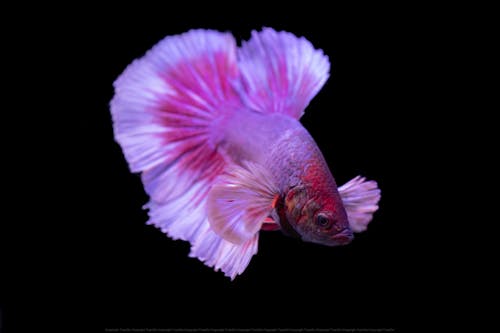
Betta fish are among the most popular aquarium pets in the world, prized for their breathtaking colors and flowing fins. Despite their elegant appearance, male bettas are fierce fighters — in the wild they battle other males to the death. But with the right care, a betta can live 3–5 years and become a rewarding companion.
The biggest myth about bettas is that they can live in tiny bowls. This is false. Betta splendens was originally found in the rice paddies and shallow ponds of Southeast Asia, where they had surprising amounts of space. A cramped bowl causes stress, weakens their immune system, and shortens their lifespan.
🏠 Tank Setup — The Right Way
Minimum tank size: 5 gallons — 10 gallons is better. No bowls, no vases, no tiny tanks.
Filter: Essential. A gentle filter keeps the water clean and oxygenated without creating a strong current that damages betta fins. Look for a filter with adjustable flow.
Heater: Betta fish are tropical — they need water at 78–82°F (25–28°C). A small 25–50 watt aquarium heater with a thermostat is required. In unheated rooms, without a heater, the water temperature fluctuates and stresses the fish.
Plants: Live or silk plants are best. Betta fish like to rest near the surface and often sleep on broad leaves. Plants also help filter the water and provide hiding spots that reduce stress.
Light: Provide 8–12 hours of light per day. Use a timer to create a consistent day/night cycle. Too much light promotes algae growth; too little stresses the fish.
💧 Water Quality — The Single Most Important Factor
Betta fish die most often because of poor water quality, not disease.
The Nitrogen Cycle:
Before adding a betta, you need to cycle the tank — this means building up beneficial bacteria that convert toxic ammonia (from fish waste) into less harmful substances. This takes 2–4 weeks. Never add a betta to an uncycled tank.
Weekly maintenance:
- Test water with a liquid test kit — check ammonia, nitrites, nitrates, and pH
- Ammonia and nitrites should always be 0
- Nitrates should stay below 20–40 ppm
- Change 20–30% of the water every week
- Always treat new water with a water conditioner (dechlorinator) before adding it to the tank
Water conditioner: Always use it. Tap water contains chlorine and chloramine, which are harmful to bettas. A good water conditioner neutralizes both instantly.
🍽️ Feeding Your Betta
Betta fish are carnivores. In the wild they eat insects and insect larvae. In captivity, they need a protein-rich diet.
Daily feeding:
- 2–4 betta pellets, twice a day
- Only as much as they can eat in 2–3 minutes
- Overfeeding is the most common mistake — uneaten food pollutes the water quickly
Treats (2–3 times per week):
- Frozen bloodworms
- Frozen brine shrimp
- Freeze-dried daphnia
Never feed bettas bread, flakes meant for other fish, or human food.
🐠 Tank Mates — Choose Carefully
Male bettas are territorial and aggressive toward other male bettas. Never keep two males together — they will fight until one is dead.
Can live with a betta (in 10+ gallon tanks with plenty of plants and hiding spots):
- Mystery snails
- Nerite snails
- Corydoras catfish (3+ together)
- Ghost shrimp
- African dwarf frogs
Never keep with bettas:
- Other male bettas
- Fancy guppies (they look like bettas and trigger aggression)
- Cichlids or aggressive barbs
- Goldfish (wrong temperature requirements)
🩺 Signs of a Healthy Betta
A healthy betta:
- Has bright, vibrant colors
- Is active and alert
- Has flowing, intact fins (not clamped, torn, or rotting)
- Eats eagerly
- Rests on leaves or at the bottom occasionally (normal)
Fin rot signs: Fins that appear to be shrinking, blackened, or ragged. Caused by poor water quality — improve water conditions immediately.
Ich (white spot disease): Small white grains like salt on the body and fins. Treat with a gradual temperature raise to 86°F and aquarium salt.
📋 Quick Checklist Before You Buy
- 5–10 gallon tank (already cycled)
- Filter with gentle flow
- Heater (78–82°F)
- Water conditioner
- Liquid test kit
- Betta pellets + frozen bloodworms
- Live or silk plants
- Siphon/vacuum for water changes