
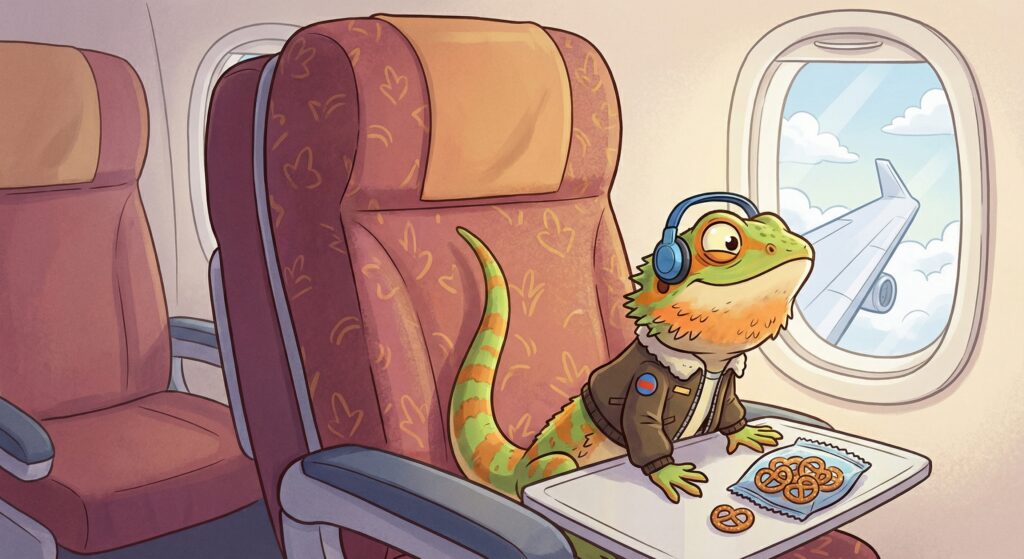
Exotic pet travel made easy – safe transport tips for reptiles, birds, and amphibians
Traveling with exotic pets can feel terrifying. Unlike cats and dogs, your scaly, feathered, or amphibious companions have unique needs that most hotels, airlines, and veterinarians know nothing about. But with proper planning, traveling with exotic pets can be surprisingly smooth—for both of you.
This comprehensive guide covers everything you need to know about safely transporting reptiles, birds, amphibians, and tropical species without losing your mind—or your pet.
Understanding Traveling With Exotic Pets : Why Preparation Matters
Unlike traditional pets, exotic animals are extraordinarily sensitive to environmental changes. Temperature fluctuations, stress, improper housing, and disrupted feeding schedules can devastate their health rapidly.
Reptiles especially struggle with transport because they’re ectothermic—their bodies can’t regulate temperature independently. Birds panic easily in unfamiliar situations. Amphibians require precise humidity control that most travel containers can’t maintain.
Understanding these challenges is the first step toward successful exotic pet travel.
Traveling with Exotic Pets Essential Do’s: Your Exotic Pet Travel Checklist
Do Research Your Destination Thoroughly
Before booking anything, research exotic pet policies at your destination. Call hotels, Airbnbs, and family members in advance. Many accommodations have “no pets” policies—but some explicitly exclude reptiles or birds.
Pro tip: Bring written documentation of your pet’s species, health records, and care requirements. This helps convince skeptical hosts and handles unexpected questions.
Do Invest in Quality Travel Containment
Secure, escape-proof containers are non-negotiable. Reptiles are notorious escape artists—particularly snakes and geckos. Birds need ventilated carriers that prevent wing damage. Amphibians require humidity-retaining containers with secure lids.
For snakes and lizards, use locking rack systems or heavy-duty塑料 containers with air holes. Birds need airline-approved carriers with perch space. Amphibians travel best in ventilated kritter keepers with damp substrate.
Do Maintain Proper Temperature Control
Temperature management is absolutely critical for exotic pets during travel. Use heat packs (never hot water bottles—they cool too quickly) in winter. In summer, use cooling packs wrapped in towels to prevent direct contact.
Keep vehicle interiors between 75-85°F for most reptiles. Monitor temperatures continuously with digital probe thermometers. Never leave exotic pets in parked cars—temperatures become fatal within minutes.
Do Find an Exotic Veterinarian Before You Need One
Locate 24-hour exotic animal vets along your route before traveling. emergencies don’t announce themselves politely. Search the Association of Reptilian and Amphibian Veterinarians directory for specialists.
Keep your regular exotic vet’s contact information accessible. Some will provide emergency guidance over the phone even when you’re far from home.
Do Plan for Feeding and Hydration
Never skip feeding schedules unnecessarily. Most exotic pets can fast safely for 24-48 hours during travel—but longer trips require planning. Bring enough food for the journey, plus extra for unexpected delays.
Hydration matters enormously. Misting amphibians regularly prevents dangerous dehydration. Provide water dishes in carriers (secure so they don’t spill). For snakes, a damp hide helps maintain moisture during long drives.
Traveling With Exotic Pets Critical Don’ts: Common Exotic Pet Travel Mistakes
Don’t Assume Airlines Welcome Exotic Pets
Most commercial airlines have restrictive exotic pet policies—or prohibit them entirely. Many species require USDA permits for interstate transport. International travel almost always requires permits, health certificates, and quarantine compliance.
Never attempt to smuggle exotic pets through airports. Penalties include fines exceeding $10,000, criminal charges, and permanent pet confiscation. Research airline and destination requirements months in advance.
Don’t Use Inadequate Containers
Cardboard boxes and flimsy carriers are disasters waiting to happen. Snakes escape through ventilation holes. Birds injure themselves on wire cages during turbulence. Amphibians dry out in poorly ventilated containers.
Invest in species-appropriate travel housing designed for the specific stresses of transport. This isn’t an area where budget options make sense.
Don’t Ignore Stress Signals
Exotic pets express distress differently than dogs or cats. Watch for:
- Lizards hiding excessively or refusing to thermoregulate
- Snakes refusing food for extended periods post-travel
- Birds feather plucking or screaming loudly
- Amphibians becoming inactive or developing skin problems
Stress-related illness can kill exotic pets weeks after a traumatic journey. Monitor your pet closely for at least two weeks after travel.
Don’t Forget Emergency Planning
What happens if your pet escapes at a rest stop? What if your car breaks down in extreme weather? Have contingency plans for worst-case scenarios.
Pack a travel emergency kit including: heat sources, backup containers, water, food, first aid supplies, and contact information for emergency vets across your route.
Final Thoughts: Traveling With Exotic Pets Safely
Exotic pet travel requires more preparation than traditional pets—but the rewards of sharing adventures with your scaly, feathered, or amphibious companions are absolutely worth the effort.
With proper planning, quality equipment, and realistic expectations, you can safely travel with exotic pets to vet appointments, family visits, and even vacations. Your reptile won’t appreciate the beach view—but they’ll appreciate knowing you’re committed to their wellbeing wherever you go.
Start small with local trips. Build experience gradually. Your exotic pet’s safety depends on your preparation.