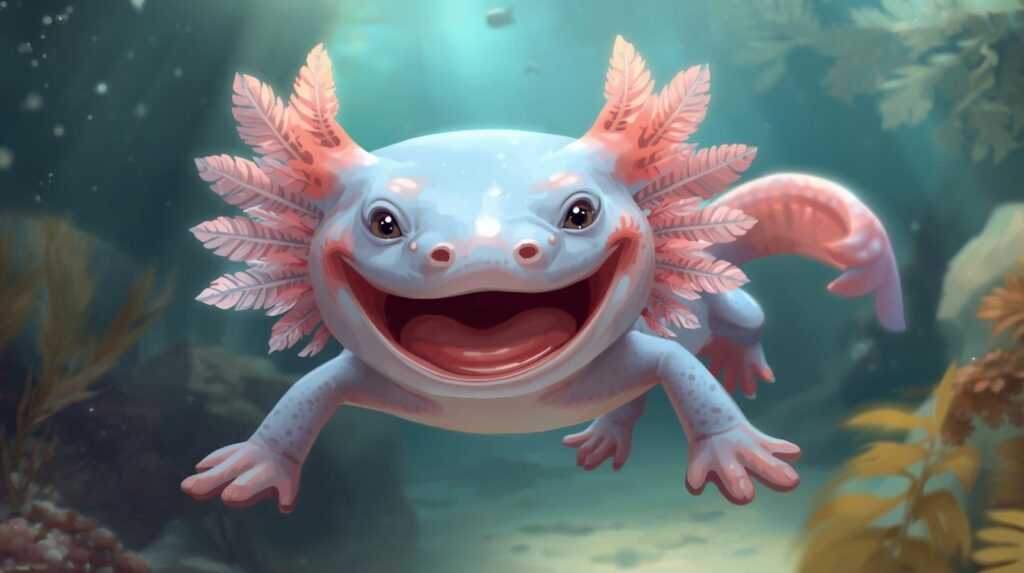
Axolotls (Ambystoma mexicanum) are one of the most extraordinary amphibians on the planet. Native to the lake systems of Xochimilco near Mexico City, they spend their entire lives underwater — never fully metamorphosing from their larval form. They are famous for their ability to regenerate lost limbs, organs, and even parts of their heart and brain, making them one of the most studied animals in scientific research.
A well-cared-for axolotl lives 10–15 years. Before bringing one home, understand that they have very specific requirements — cold water, pristine water quality, and a calm environment. Get these right and they are endlessly fascinating pets. Get them wrong and an axolotl can fall ill quickly.
Axolotl Tank Setup — Floor Space Over Height 🏠
Axolotls are bottom-dwelling creatures. They do not use vertical space the way tropical fish do, so prioritize tank width and floor area over height.
Minimum tank size: 20 gallons for one adult — 29–40 gallons is strongly recommended.
Filter: Choose a gentle filter. Axolotls have delicate gills that are easily damaged by strong currents. A sponge filter is the ideal choice. If using a canister filter, reduce the flow rate to a minimum.
Substrate: Never use gravel or small stones. Axolotls feed by suction and easily ingest substrate particles, which causes fatal intestinal blockages. Safe options: fine sand (smooth, not sharp), bare bottom (easiest to keep clean), or large river stones too large to fit in their mouths.
Hiding spots: Axolotls are shy and need places to feel secure. Provide at least two hiding spots — terracotta pots, PVC pipes, or aquarium caves all work well. A bare tank without enrichment causes chronic stress.
Water Temperature — The Most Critical Factor 🌡️
This is where most axolotl health problems begin. Axolotls are cold-water amphibians and need water between 60–68°F (16–20°C) at all times.
- Above 74°F (23°C): Rapidly fatal. Heat stress can kill an axolotl within days.
- Above 70°F (21°C): Causes chronic stress, fungal infections, and immune breakdown.
- Below 55°F (13°C): Too cold, slowing digestion and immune function.
In most homes, especially during summer, you will need an aquarium chiller to maintain safe temperatures year-round. A digital aquarium thermometer is essential — check the water temperature daily.
Water Quality — Keep It Pristine 💧
Axolotls are extremely sensitive to ammonia, nitrites, and chlorine. Always fully cycle a new tank before adding an axolotl — this means building up beneficial bacteria that convert toxic ammonia from waste into safer substances.
- Ammonia: 0 ppm at all times
- Nitrites: 0 ppm at all times
- Nitrates: below 20–40 ppm
- pH: 7.0–8.0 (axolotls are tolerant)
Change 20–30% of the tank water weekly using a gravel vacuum. Always treat new water with a water conditioner before adding it to the tank. Do not use distilled or reverse osmosis water — axolotls need the minerals found in dechlorinated tap water.
Axolotl Diet & Feeding Schedule 🍽️
Axolotls are strict carnivores. In the wild they eat small fish, worms, insects, and mollusks.
Best staple foods:
- Earthworms (nightcrawlers) — the single best food for axolotls, nutritionally complete
- Axolotl pellets — convenient and well-formulated
- Bloodworms — good as an occasional treat, not a staple
- Black soldier fly larvae — healthy protein source
Feeding schedule:
- Juveniles: once per day
- Adults (over 18 months): every 2–3 days
- Feed as much as they will eat in 15–20 minutes
Remove uneaten food promptly to prevent water contamination. Use feeding tongs or tweezers — it keeps your hand safe and makes feeding sessions cleaner.
Never feed: tropical fish flakes or pellets, beef, chicken, mammalian meat, or fireflies (toxic to axolotls).
Axolotl Tank Mates 🐟
Axolotls are best kept alone. They should not be housed with tropical fish — most fish nip at their gills, and tropical fish require warmer water than axolotls can tolerate.
Some species can coexist with axolotls in large tanks: white cloud minnows and ember tetras are the most commonly tried. However, even these carry some risk. A species-only tank is always the safest and recommended choice.
Signs of a Healthy Axolotl ✅
A healthy axolotl has:
- Fluffy, feathery gills (pink, red, white, or black depending on morph)
- Active movement, especially in the evenings
- A rounded, full body — not bony or sunken
- Clear, bright eyes
Red flags requiring immediate action: Gills curling forward, white fuzzy patches on the body or limbs (fungal infection), floating rather than resting on the bottom, refusing food for more than a week, or fraying gills. Check water temperature first — warm water is the most common cause of sudden illness.
Axolotl Care Summary Checklist 📋
- 20–40 gallon tank with floor space
- Sponge filter or low-flow filter
- Fine sand substrate or bare bottom
- Aquarium chiller (essential in most climates)
- Digital thermometer — check daily
- Water conditioner for every water change
- Earthworms or axolotl pellets as staple food
- Minimum two hiding spots
- Exotic amphibian vet identified before purchase
Final Thoughts
Axolotls are unlike any other pet — endlessly fascinating, quiet, and remarkably regenerative. They reward patient owners with 10–15 years of wonder. The three rules of success: cold water, pristine water quality, and a calm environment. Get those three things right and your axolotl will thrive for years to come.