Top 10 Most Dangerous Exotic Pets
Published: March 2026 | Category: Important Info | Reading Time: 20 minutes
The exotic pet trade has exploded in popularity over recent decades, with more people than ever attempting to bring wild animals into their homes and backyards. Social media abounds with viral videos of people cuddling tiger cubs, swimming with alligators, and posing alongside massive pythons. These images create the illusion that keeping dangerous exotic pets is glamorous, achievable, and somehow safe. Nothing could be further from the truth. Behind every viral video lies a dangerous animal whose instincts never truly disappear, and behind every selfie with a wild predator lies a potential tragedy waiting to unfold.
The truth about dangerous exotic pets is far darker than most aspiring owners ever consider. Large cats have killed their keepers despite years of apparently affectionate relationships. Venomous snakes escape and injure or kill family members. Primates whose adorable baby behavior gave way to adult aggression have maimed owners who once believed they had bonded. The list of tragedies continues to grow, documenting the deaths and serious injuries of people who underestimated the fundamental truth that wild animals remain wild, regardless of how they were raised or how long they’ve lived in captivity.
This comprehensive guide explores the most dangerous exotic pets that people attempt to keep, examining why these animals pose unacceptable risks that responsible ownership simply cannot mitigate. Our goal isn’t to judge those who’ve fallen under the spell of these magnificent creatures, but to educate potential owners about the genuine dangers that lurk behind every attempt to domesticate the undomesticable. Understanding these risks might just save lives, including the lives of the animals themselves, who often suffer enormously when their “ownership” fails.
1. Tigers and Large Big Cats: The Ultimate Predators in Your Backyard
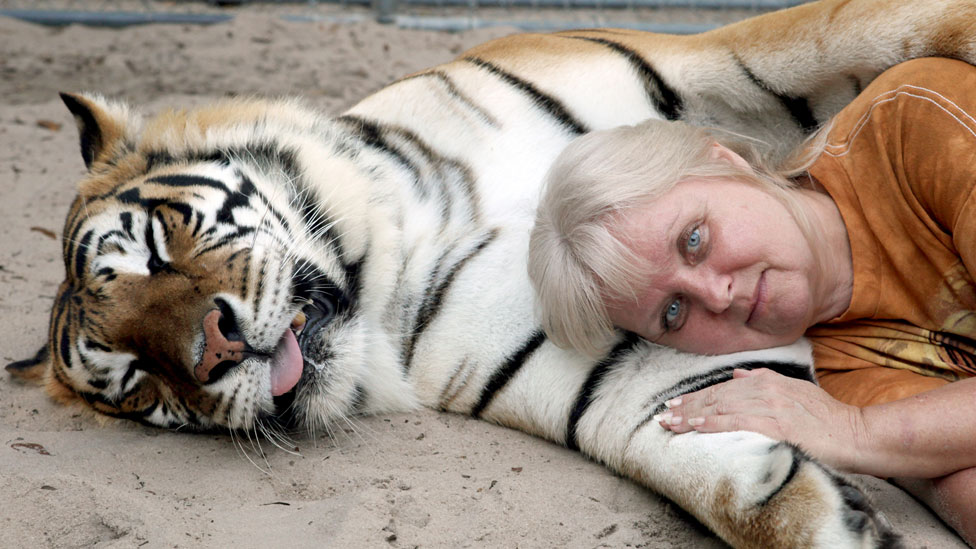
Tigers represent the pinnacle of predator evolution, having spent millions of years honing their hunting skills to kill prey often larger than humans with terrifying efficiency. Despite this evolutionary history, private ownership of tigers and other large cats has exploded across the United States, with more tigers living in American backyards than exist in the wild worldwide. This staggering statistic represents one of the most dangerous trends in exotic pet keeping, putting both humans and animals at unacceptable risk for nothing more than ego gratification and photo opportunities.
The danger tigers pose cannot be overstated or overemphasized. These animals routinely weigh over 400 pounds, can run at speeds exceeding 40 miles per hour, possess claws designed to eviscerate prey, and deliver killing bites with jaw strength capable of crushing bone. Even cubs born in captivity and hand-raised from birth retain every instinct that makes tigers the apex predators they are. The tiger that suddenly attacks its longtime keeper isn’t being “bad” or “ungrateful” but simply following millions of years of predator programming that no amount of socialization can erase from their genetic code.
Fatal attacks by privately owned big cats occur with disturbing regularity, yet the trade continues because people convince themselves their particular animal is different. Lions have killed owners who raised them from cubs. Tigers have escaped enclosures and mauled neighborhood children. The pattern repeats endlessly because humans consistently overestimate their ability to control animals designed by evolution to kill. Professional zoo keepers with decades of experience still follow strict safety protocols when working with these animals, recognizing that expertise reduces but never eliminates the danger these magnificent predators represent.
Quick Facts:
- Size: 200-600+ pounds
- Native Range: Asia
- Legal Status: Banned/restricted in most states
- Danger Level: Extreme – instant death potential
- Why People Keep Them: Status symbol, misguided conservation claims
2. Alligators and Crocodiles: Prehistoric Killing Machines

Alligators and their more aggressive cousins, crocodiles, represent some of the most successful predators to ever walk the earth, having remained virtually unchanged for over 200 million years. Their longevity speaks to the effectiveness of their design: powerful tails for swimming, armored skin, and the strongest bite force of any living animal on the planet. These remarkable reptiles evolved to kill, and kill efficiently, yet people continue attempting to keep them as pets, often with tragic results that rarely receive the media attention reserved for big cat attacks.
The danger of keeping alligators as pets extends far beyond the obvious risk of fatal bites. Adult alligators routinely reach 10-15 feet in length, meaning they outgrow any reasonable home enclosure within just a few years. The small baby gator that seemed manageable in a bathtub becomes a monster requiring specialized facilities that most owners cannot afford or legally provide. The resulting abandonment, release into the wild, or inadequate housing creates suffering for the animal and danger for everyone nearby.
Crocodiles present even more severe risks than alligators, with species like the saltwater crocodile regularly exceeding 20 feet and demonstrating aggression toward humans that has earned them a reputation as man-eaters in their native Australia and Southeast Asia. Yet these animals have been kept as “pets” by individuals delusional enough to believe their relationship transcends millions of years of predator evolution. The predictable result has been numerous deaths and severe injuries documented in the exotic pet trade’s dark history, serving as warnings that potential owners consistently ignore.
Quick Facts:
- Size: 6-23 feet depending on species
- Native Range: Americas, Australia, Africa, Asia
- Legal Status: Restricted or banned in many jurisdictions
- Danger Level: Extreme – powerful bite, drowning capability
- Why People Keep Them: Fascination with “living dinosaurs”
3. Venomous Snakes: The Ultimate Unpredictable Threat

Venomous snakes present a unique danger in the exotic pet world because they can kill without any opportunity for warning or intervention. Unlike large predators that require proximity and physical contact to cause harm, a venomous snake needs only a single bite to deliver potentially fatal venom. Even experienced herpetologists who work professionally with venomous species accept that snakebite represents an occupational hazard that can end their careers or their lives in moments of inattention or simple bad luck.
The exotic pet trade in venomous snakes has grown significantly in recent years, with private collectors acquiring increasingly dangerous species including black mambas, taipans, and various cobra species. These animals have evolved venom specifically designed to kill, refined through millions of years of predator-prey arms races against prey animals that developed their own defenses. No amount of careful handling or experienced ownership changes the fundamental truth that these animals possess the capability to kill humans efficiently, and that capability exists regardless of how tame the individual snake appears to have become.
Fatal snakebite incidents among private venomous snake owners occur regularly, though they receive far less attention than attacks by large mammals. The victims include experienced keepers who believed their expertise would protect them, as well as family members who simply happened to be near the snake when it struck. Escape incidents create additional danger, as venomous snakes on the loose in residential areas put entire neighborhoods at risk. The psychological trauma alone of knowing a lethal snake has escaped can be devastating for entire families, even when the snake is eventually found and captured safely.
Quick Facts:
- Venom Potency: Varies by species, some can kill in hours
- Native Range: Worldwide (varies by species)
- Legal Status: Restricted permit required in most areas
- Danger Level: Extreme – potential fatality with single bite
- Why People Keep Them: Fascination with danger, “rush” of risk
4. Emperor Scorpions: Deceptively Dangerous Arachnids
:strip_icc()/elevated-view-of-a-scorpion-dv2046023-57ffee083df78cbc28956906.jpg)
Scorpions occupy a deceptively dangerous niche among exotic pets, often marketed as “easy to care for” and “low risk” despite possessing venom that can cause severe medical emergencies. The emperor scorpion, the most commonly kept pet species, carries venom that, while not typically fatal to healthy adults, causes intense pain, swelling, and systemic symptoms that require medical attention. For children, elderly individuals, or those with allergies or compromised immune systems, emperor scorpion venom can become life-threatening despite the reassurances of sellers more interested in making sales than ensuring safety.
The physical danger from scorpions extends beyond their venom to include their overall physiology designed for predation. Their powerful pedipalps crush prey, theirstingers deliver venom with precision, and their exoskeletons provide armor against most threats. When startled or threatened, even docile emperor scorpions will rear up into defensive postures, and their stingers can penetrate human skin easily. The speed of scorpion strikes makes defensive handling extremely hazardous, particularly for inexperienced owners who may not recognize warning behaviors until the scorpion has already delivered its defensive sting.
Beyond direct physical danger, scorpion ownership creates significant risks through their escape potential and ability to survive in environments never designed for them. Scorpions can squeeze through impossibly small gaps, survive for extended periods without food or water, and establish themselves in homes where they pose ongoing danger to family members who may be unaware of their presence. The terror of discovering a scorpion has escaped its enclosure, potentially somewhere in bedding, shoes, or clothing, represents a psychological hazard that makes scorpion ownership a continuous source of anxiety rather than genuine enjoyment.
Quick Facts:
- Venom Potency: Painful and potentially dangerous to vulnerable individuals
- Size: 6-8 inches
- Legal Status: Generally legal but restricted in some areas
- Danger Level: High – painful sting, medical emergency potential
- Why People Keep Them: Fascinating appearance, “exotic” appeal
5. Wolf Dogs and Wolf Hybrids: The Worst of Both Worlds
:strip_icc()/pet-wolfdogs-1237356_FINAL-3fceee6a9cb94145a11210fddead5d79.jpg)
Wolf dogs represent perhaps the most dangerous “hybrid” attempt in the exotic pet world, combining the worst traits of domestic dogs and wild wolves while eliminating most of the benefits of either. These animals retain the size, strength, and predatory instincts of wolves while possessing none of the predictability that generations of selective breeding have instilled in domestic dogs. They look magnificent, but that magnificence masks an animal fundamentally unsuited for human companionship, regardless of how they were raised or how experienced their owners claim to be.
The physical capabilities of wolf dogs exceed anything a domestic dog can match. Adult wolf dogs routinely weigh 80-150 pounds, possess bite forces capable of causing severe damage, and maintain stamina and energy levels that exceed what any owner can reasonably provide for. Their predatory instincts trigger unpredictably, transforming what seemed like normal dog behavior into concerning situations in moments. Children, small pets, and even adult family members have been seriously injured by wolf dogs whose owners remained convinced their particular animal would never harm anyone.
The practical realities of wolf dog ownership prove as dangerous as the physical risks. These animals require specialized diets, massive enclosures, expert handling, and legal compliance that exceeds what most municipalities permit. Wolf dogs that become unmanageable face abandonment, surrender to shelters that cannot accommodate them, or worse. The high maintenance needs of wolf dogs create ongoing stress for owners who underestimate the commitment, and stressed wolf dogs become dangerous wolf dogs. This vicious cycle ensures that wolf dog ownership reliably ends badly, for both the animals and the humans involved.
Quick Facts:
- Size: 60-150 pounds
- Hybrid Classification: Variable wolf content
- Legal Status: Banned or restricted in most areas
- Danger Level: High – strength of wolf, unpredictability of domestic dog
- Why People Keep Them: Aesthetic appeal, desire for “wild” companion
6. Hyenas: Misunderstood Predators with Devastating Capabilities
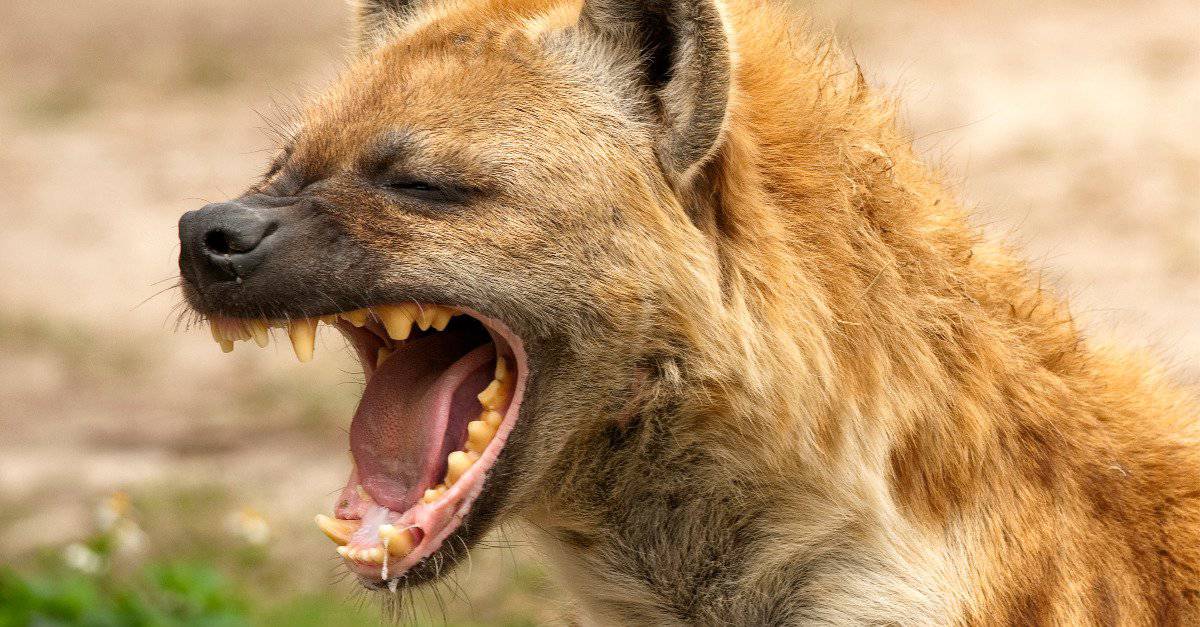
Hyenas occupy a unique position among dangerous exotic pets because their reputation for “scavenging” dramatically understates their capabilities as efficient predators. Spotted hyenas, the largest and most dangerous species, regularly hunt prey larger than humans, possess bone-crushing jaws capable of consuming entire carcasses including horns and hooves, and demonstrate problem-solving intelligence that makes them formidable opponents. Yet these remarkable animals continue to attract owners who see them as exotic status symbols rather than recognizing them as apex predators whose “cute” appearance masks devastating killing capabilities.
The bite force of hyenas exceeds that of any other land mammal, measuring over 1,000 pounds per square inch. This jaw strength allows hyenas to kill livestock and wildlife with efficiency that has made them reviled by farmers across Africa, yet private owners somehow believe they can manage animals whose mouths can crush bones and cause catastrophic injuries in an instant. Even playful interactions with hyenas pose unacceptable risk, as their rough play style produces injuries that would be merely painful coming from a domestic dog but potentially life-altering coming from a hyena’s crushing jaws.
Social dynamics of hyenas add another layer of danger that inexperienced owners cannot possibly manage. Hyena societies involve complex hierarchies, territorial aggression, and violent conflicts that emerge without warning. Pet hyenas that grew up peacefully together may suddenly turn on each other or their owners when social dynamics shift. These unpredictable social elements combine with the physical danger hyenas represent to create a keeping situation that even professional wildlife facilities struggle to manage safely, yet private individuals attempt regularly with predictably dangerous results.
Quick Facts:
- Bite Force: 1,000+ PSI – strongest of any land mammal
- Size: 60-190 pounds
- Legal Status: Banned as pets in most jurisdictions
- Danger Level: Extreme – powerful jaws, unpredictable social behavior
- Why People Keep Them: Misunderstood reputation, “exotic” appeal
7. Large Constrictor Pythons and Boas: Patient Killers

Large constrictor snakes, including Burmese pythons, reticulated pythons, and boa constrictors, have killed numerous people despite their reputation as “gentle giants” promoted by the exotic pet trade. These animals kill through constriction, wrapping their powerful coils around prey and squeezing until breathing stops, then swallowing victims whole. While individual snakes rarely exceed 20 feet, they need only reach around a human torso once to create a life-threatening situation that can become fatal within minutes. Even “small” adult constrictors pose serious danger, particularly to children and smaller adults.
The danger from large constrictors extends beyond their physical strength to include their unpredictable nature and dietary requirements. Snakes that have refused food for weeks may suddenly strike at anything that moves, including their owners, if a feeding response triggers. Large snakes kept in enclosures may associate enclosure opening with feeding, creating dangerous conditioning that even experienced handlers struggle to manage consistently. The presence of multiple people in a room with a large snake increases risk exponentially, as snakes may mistake smaller individuals for appropriate prey or react defensively to multiple perceived threats.
Fatal constrictor attacks occur regularly enough that they have attracted serious regulatory attention, yet the trade continues because these snakes breed prolifically and owners consistently underestimate the animals they acquire. A baby python that fits in a terrarium becomes an animal requiring an entire room within just a few years. The abandonment problem created by adult constrictors that outgrow their welcome has created ecological disasters in Florida, where released pythons have established breeding populations that devastate native wildlife. The individual danger combines with ecological responsibility to make large constrictor ownership genuinely indefensible.
Quick Facts:
- Size: 10-30+ feet depending on species
- Killing Method: Constriction (suffocation)
- Legal Status: Restricted in many areas due to escape/abandonment concerns
- Danger Level: Extreme – crushing strength, suffocation capability
- Why People Keep Them: Impressive size, “exotic” appeal
8. Lions: Domesticated-looking but Absolutely Deadly

Lions occupy a unique category of dangerous exotic pets because their relatively “social” nature compared to other big cats leads owners to underestimate the danger they represent. Unlike solitary tigers who typically avoid humans outside of predation, lions have evolved to live in prides and may actually seek social interaction with humans in ways that seem affectionate but can turn deadly in an instant. This social nature lulls owners into believing their lion views them as “pride members” rather than potential prey, a dangerous misconception that has cost multiple people their lives.
The physical capabilities of adult lions exceed what any individual human can counter, regardless of experience or training. Male lions routinely weigh over 400 pounds, possess claws designed to eviscerate prey, and deliver killing bites with efficiency honed through millions of years of hunting. Even playful behavior from a lion can cause fatal injuries, as their roughhousing involves actions that would severely injure or kill a human even when no predatory intent exists. The size and strength differential between humans and lions makes protective measures essentially impossible once an attack begins.
The regulatory landscape for lion ownership has tightened significantly following multiple fatalities and near-misses involving private lions, yet ownership continues in many areas due to grandfather clauses and enforcement gaps. Lions kept as “pets” eventually reach maturity and experience hormonal changes that can fundamentally alter their behavior overnight. The gentle cub that grew into a magnificent adult may suddenly display aggression that seemed impossible based on previous behavior, creating situations where owners find themselves living with an animal they can neither safely manage nor legally surrender.
Quick Facts:
- Size: 300-550 pounds
- Social Structure: Pride-living (unlike solitary tigers)
- Legal Status: Banned or restricted in most US states
- Danger Level: Extreme – size, strength, unpredictable behavior
- Why People Keep Them: “King of beasts” status symbol
9. Komodo Dragons: Ancient Predators That Should Stay Wild
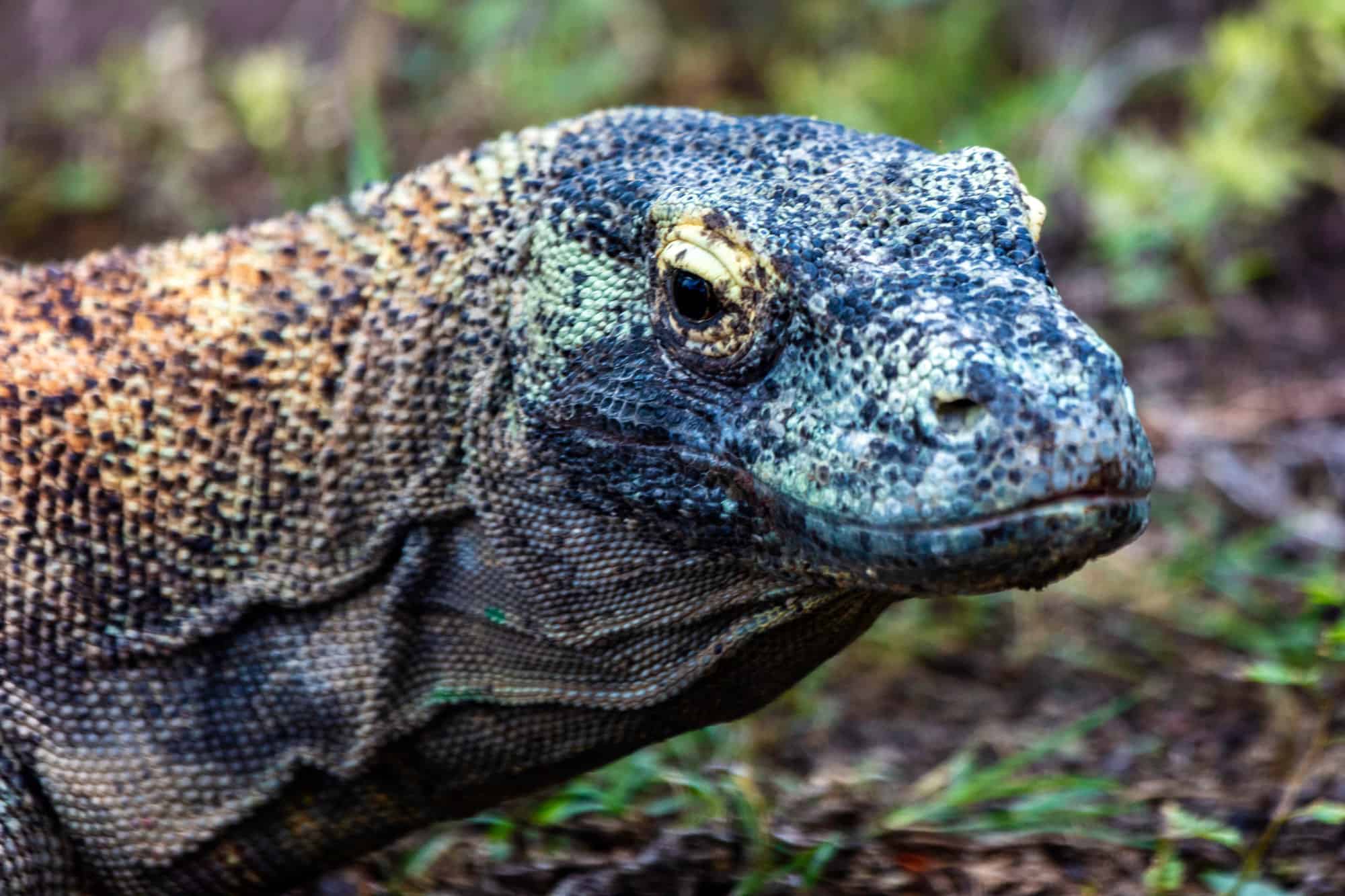
Komodo dragons represent the ultimate in dangerous exotic pet fantasies, combining the appeal of “living dinosaurs” with the prestige of owning one of earth’s rarest and most impressive reptiles. These massive monitors from Indonesian islands have killed humans in documented attacks, possess venom that prevents blood clotting and causes systemic shock, and carry bacteria in their mouths that can cause deadly infection even from minor bites. Despite these well-documented dangers, whispers persist in exotic pet circles about individuals attempting to acquire or keep these legendary creatures, representing perhaps the most dangerous aspiration in private exotic animal ownership.
The venom of Komodo dragons represents a relatively recent discovery that has upended previous understanding of how these animals kill prey. Rather than relying solely on infection from septic bite wounds as originally believed, Komodo venom actively prevents blood clotting and causes dramatic drops in blood pressure that accelerate shock in bitten prey. This venom delivery system means that even minor Komodo bites can become life-threatening medical emergencies, requiring immediate professional treatment that may not be available in areas where private owners might attempt to keep these animals.
The size of adult Komodo dragons creates physical danger that exceeds what any reasonable home can accommodate. These animals routinely reach 8-10 feet in length and weigh over 150 pounds, with the largest specimens approaching 400 pounds. They are agile hunters capable of surprising speed, strong swimmers who can pursue prey into water, and possess claws designed for fighting and tearing that cause severe lacerations even in defensive situations. The combination of size, strength, venom capability, and predatory intelligence makes Komodo dragon ownership an absolute impossibility for responsible private individuals.
Quick Facts:
- Size: 8-10 feet, 150+ pounds
- Venom: Anti-coagulant causing shock
- Legal Status: Heavily protected, illegal to private own
- Danger Level: Extreme – venom, size, strength, speed
- Why People Dream of Them: “Living dinosaur” fascination
10. Hippos: Deceptively Dangerous Killers
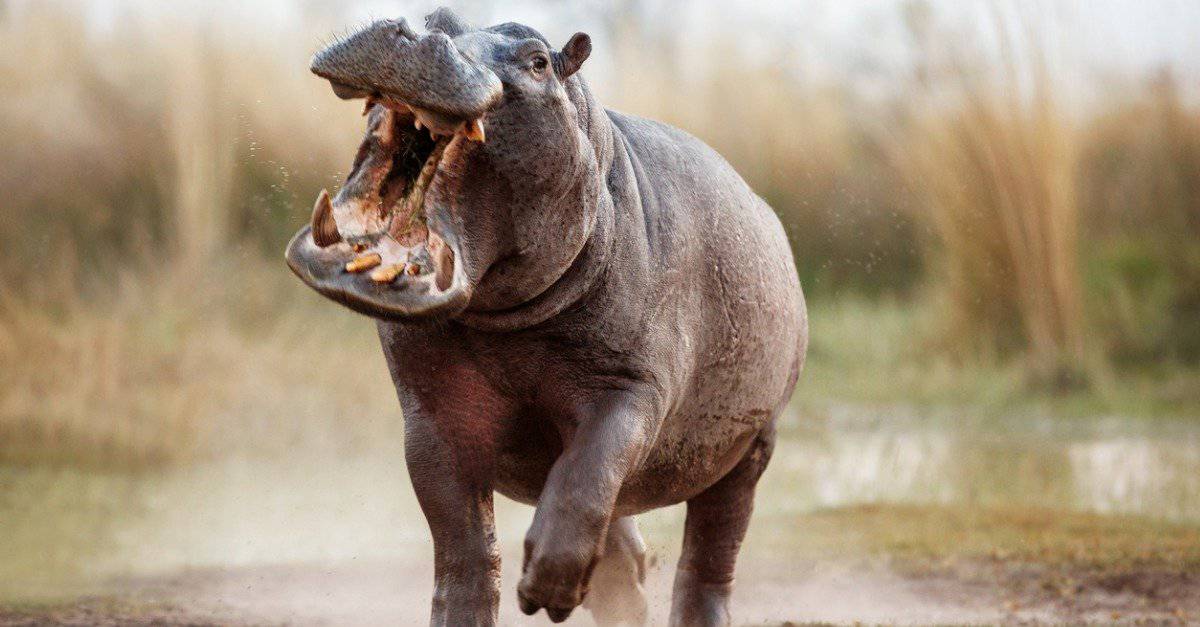
Hippos kill more humans in Africa annually than any other large animal, yet they remain perhaps the most dangerously underestimated dangerous exotic pet. Their rounded, almost comical appearance and portrayal as “gentle giants” in popular media obscures the reality of an aggressive, territorial megafauna species that regards humans as threats to be destroyed rather than creatures to be feared. Their reputation for being “cute” and “harmless” in children’s media has convinced countless people that hippos might make unusual but manageable exotic pets, a delusion that has repeatedly proven fatal to those who believed it.
The physical capabilities of hippos exceed what most people imagine. Adult hippos weigh 3,000-4,000 pounds, can run at speeds exceeding 20 miles per hour despite their rotund appearance, and possess jaws capable of crushing boats and crocodiles with ease. Their teeth can reach lengths of twenty inches, and their aggression toward perceived intruders makes them among the most dangerous animals in Africa, responsible for killing approximately 500 humans annually. These aren’t defensive animals lashing out in fear but proactive predators willing to chase and attack anything that enters their territory, including humans who foolishly attempt to “tame” them.
The famous case of Tonie and Mariah, the hippos acquired by Pablo Escobar for his private zoo, illustrates both the appeal and the absurdity of hippo ownership. These animals have since become Colombia’s most significant invasive species problem, with their offspring now numbering over 80 individuals and threatening local ecosystems. The hippos escaped “ownership” when their keeper went to prison, demonstrating what happens when hippo ownership inevitably fails, regardless of how it ends. The Columbian government has since spent millions attempting to manage a problem that should never have been created, illustrating the lasting consequences of dangerous exotic pet ownership long after the original owner is gone.
Quick Facts:
- Size: 3,000-4,000 pounds
- Speed: 20+ miles per hour on land
- Kills: ~500 humans annually in Africa
- Legal Status: Effectively banned worldwide as pets
- Danger Level: Extreme – size, speed, aggression, powerful jaws
The Uncomfortable Truth: Wild Animals Cannot Be Safe Pets
The pattern that emerges across all ten of these dangerous exotic pets reveals an uncomfortable truth that most aspiring exotic pet owners refuse to accept. These animals are not “big dogs” or “exotic dogs” but wild creatures whose fundamental nature cannot be changed through upbringing, training, or affection. The millions of years that shaped their instincts, behaviors, and capabilities cannot be undone by humans who feel a special connection to wild animals or believe their love can transcend evolutionary reality.
Every year, people die or suffer serious injuries because they believed their exotic pet was different, their bond was special, or their expertise was sufficient to overcome the inherent danger these animals represent. The exotic pet industry profits from these beliefs, marketing animals as “tame” or “captive bred” in ways that imply reduced danger when in reality, these animals remain as dangerous as their wild counterparts. The marketing is designed to make sales, not to protect customers from the genuine risks these animals pose.
Perhaps most tragically, the animals themselves suffer enormously from failed exotic pet ownership. When owners inevitably cannot provide for their animals’ needs, cannot manage their dangerous behaviors, or simply exhaust their enthusiasm, these animals face abandonment, surrender to overwhelmed sanctuaries, or euthanasia. The sanctuaries that accept dangerous exotic pets are consistently over capacity, unable to provide lifetime care for the endless stream of “exotic pets” whose owners discover too late that wild animals make terrible companions. The suffering of these animals represents a moral cost that extends far beyond the immediate danger to human safety.
Why People Keep Dangerous Exotic Pets: Understanding the Psychology
Understanding why people risk their lives and the lives of others by keeping dangerous exotic pets helps address the problem more effectively than simply cataloging the risks. The motivations behind exotic pet ownership vary widely but consistently involve some combination of status seeking, desire for uniqueness, genuine fascination with wild animals, and the psychological thrill of risk-taking. Addressing these motivations requires understanding rather than simply condemnation, which tends to push people deeper into exotic pet communities rather than encouraging them toward safer choices.
Status seeking drives much exotic pet acquisition, with dangerous animals serving as ultimate status symbols that say “I am powerful enough to control something dangerous.” The tiger photo, the alligator selfie, the venomous snake handling video all serve social media functions that communicate status to audiences who admire the apparent danger. The fact that this status comes at enormous risk to the owner, their family, neighbors, and ultimately the animals themselves rarely factors into the status calculation, as the rewards of social media validation temporarily override rational risk assessment.
Genuine fascination with wild animals drives another significant segment of exotic pet seekers, people who love animals so much they believe keeping them as pets honors that love. This motivation, while seemingly positive, creates enormous harm when it leads to exotic pet ownership. True conservation and animal welfare involve recognizing that some animals belong in the wild or in properly accredited facilities, not in private homes where their needs cannot be adequately met. Loving an animal sometimes means not trying to own it.
The Better Path: Appreciating Wild Animals Responsibly
For those genuinely fascinated by the animals on this list, countless alternatives to dangerous exotic pet ownership provide safe, responsible outlets for that interest. Professional wildlife facilities, accredited zoos, and legitimate sanctuaries offer opportunities to observe and learn about wild animals without the dangers and ethical problems of private ownership. Educational programs, wildlife photography, and conservation volunteering provide meaningful engagement with wild species in ways that benefit both animals and humans.
Supporting conservation efforts protects wild populations of dangerous animals in their native habitats, where they play essential ecological roles that captive ownership can never replicate. Donating to reputable wildlife organizations, advocating for stronger exotic pet regulations, and educating others about the dangers of wild animal ownership all create positive change for both animals and potential victims of dangerous exotic pet situations. These constructive alternatives transform fascination with dangerous animals into meaningful action that helps rather than harms.
The dream of bonding with a wild animal is universal and understandable, but that dream is better realized through the incredible relationships we can build with the domestic animals who have evolved alongside us for thousands of years. Dogs, cats, horses, and other domesticated species offer genuine companionship, complex relationships, and all the joy of animal ownership without any of the dangers that make exotic pet ownership ethically indefensible. These animals chose to evolve alongside us, a choice that dangerous wild animals never made, making our relationships with them fundamentally different and fundamentally more appropriate.