Top 10 Beginner Friendly Exotic Pets: Your Complete Guide to Starting Your Exotic Pet Journey
Published: March 2026 | Category: Exotic Pets | Reading Time: 20 minutes
Starting your exotic pet journey is one of the most exciting decisions you’ll ever make. The world of unusual pets offers companionship far beyond what traditional cats and dogs can provide, with each species bringing its own unique charm, fascinating behaviors, and special connection with their human families. Whether you’ve been researching for months or just discovered your love for unconventional animals, this guide will introduce you to the best exotic pets for beginners that combine manageable care requirements with incredible personalities.
Finding the right exotic pet as a first-time owner can feel overwhelming. Between conflicting information online, varying care difficulty across species, and the sheer variety of options available, it’s easy to become paralyzed by choices. That’s why we’ve compiled this comprehensive guide featuring only the most proven beginner-friendly exotic pets. Each animal on this list has earned its reputation through generations of successful first-time keepers, proving that with proper research and dedication, exotic pet ownership is accessible to everyone willing to learn. From scaly companions to feathered friends, aquatic beauties to marsupial marvels, there’s a perfect exotic pet waiting for every lifestyle and living situation.
1. Bearded Dragon: The Most Popular Reptile for First-Time Owners
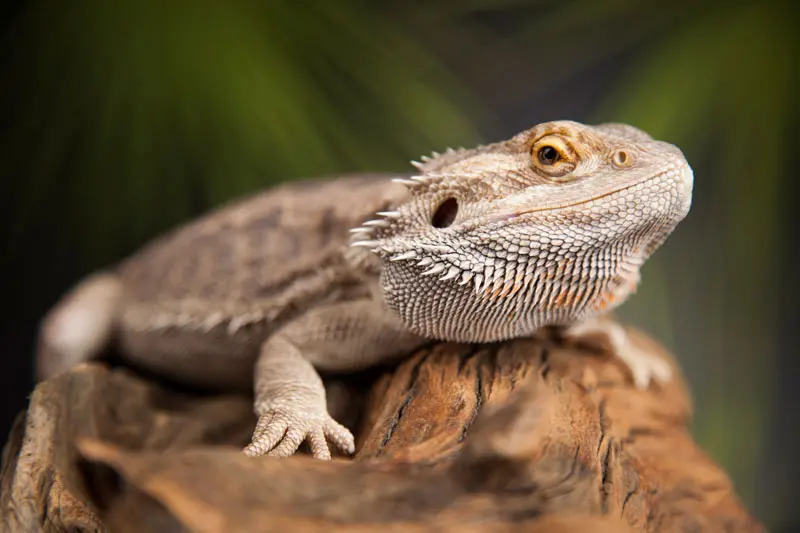
Bearded dragons have earned their spot as the number one choice for beginners entering reptile ownership, and once you meet one, you’ll understand why immediately. These remarkable Australian natives possess what many consider the ideal beginner exotic pet temperament: curious without being skittish, interactive without demanding constant attention, and hardy enough to forgive the learning curve mistakes that discourage new keepers of more delicate species. Their distinctive “beard” that puffs up when threatened or excited adds character that simply can’t be replicated by any other pet. This theatrical display, combined with their calm demeanor, creates a pet that’s as entertaining to watch as it is rewarding to handle.
What truly distinguishes bearded dragons from other beginner reptiles is their remarkable personality that develops over months of companionship. These lizards actively recognize their owners, respond to their names, and display distinct moods and preferences that experienced keepers can easily read. Some develop enthusiastic appetites for vegetables, while others show particular favorites among their insect prey, approaching feeding time with visible excitement. They wave their arms at reflections and other dragons in what appears to be communication, and many genuinely seem to enjoy gentle head scratches from trusted humans. This interactive quality transforms reptile ownership from mere observation into genuine relationship, creating bonds that deepen over years of shared experiences.
Care requirements for bearded dragons, while specific, remain manageable for dedicated beginners who take time to learn. They require UVB lighting to metabolize calcium properly, a basking spot around 100-110°F for optimal digestion and activity, and a diet that shifts from primarily insects as juveniles to primarily vegetables as adults. This dietary transition teaches new keepers valuable lessons about species-specific nutrition while providing daily enrichment watching their dragon’s hunting behaviors and food preferences evolve. Their impressive 10-15 year lifespan means welcoming a bearded dragon represents genuine long-term commitment, but one that rewards dedicated keepers with over a decade of scaly companionship and memories that truly last a lifetime.
Quick Facts:
- Lifespan: 10-15 years
- Size: 18-24 inches
- Diet: Omnivore (insects + vegetables)
- Housing: 75+ gallon terrarium
- Handling: Excellent, very docile temperament
- Best for: Families, first-time reptile owners, children 8+
2. Corn Snake: The Gentle Gateway to Snake Ownership

Few exotic pets offer the perfect combination of hardiness, temperament, and manageable care quite like the corn snake. These beautiful colubrid snakes from North America have introduced more people to snake ownership than any other species, and their reputation as ideal first snakes continues to grow as more potential keepers discover their wonderful qualities. With their striking color variations ranging from classic orange and red to elegant albinos and unique morphs, docile natures that welcome handling, and relatively simple housing requirements, corn snakes represent exotic pet ownership at its most accessible and rewarding for newcomers to the hobby.
Corn snakes possess an almost ideal temperament for beginners who are just learning to handle snakes safely and confidently. Captive-bred individuals rarely exhibit defensive behaviors, and most tolerate regular handling with remarkable patience and calm acceptance. When threatened, their first response is typically to freeze or attempt to hide rather than bite, making them safe around children when properly supervised by adults who understand snake body language. This forgiving nature means new keepers can learn snake handling techniques without the stress of dealing with aggressive or unpredictable temperaments that characterize some other snake species. Many corn snake owners describe their snakes as actively curious about their environments, pressing against enclosure glass to watch household activities with evident interest and engagement.
The practical aspects of corn snake care make them even more appealing for beginners seeking straightforward husbandry protocols. They don’t require specialized UVB lighting like some reptiles, only needing appropriate temperature gradients between warm and cool ends for proper digestion and thermoregulation. Their diet of appropriately-sized frozen-thawed mice eliminates the need for live prey handling while providing complete and balanced nutrition that supports healthy growth. Adults eat only every 10-14 days, making feeding schedules easy to maintain even during busy periods when other responsibilities demand attention. These straightforward requirements allow new keepers to focus on enjoying their snakes rather than struggling with complicated husbandry protocols that can overwhelm first-time owners.
Quick Facts:
- Lifespan: 15-20 years
- Size: 4-6 feet
- Diet: Frozen-thawed mice
- Housing: 40-gallon breeder tank minimum
- Handling: Excellent, very docile temperament
- Best for: First-time snake owners, apartment dwellers, busy professionals
3. Leopard Gecko: The Low-Maintenance Desert Dragon
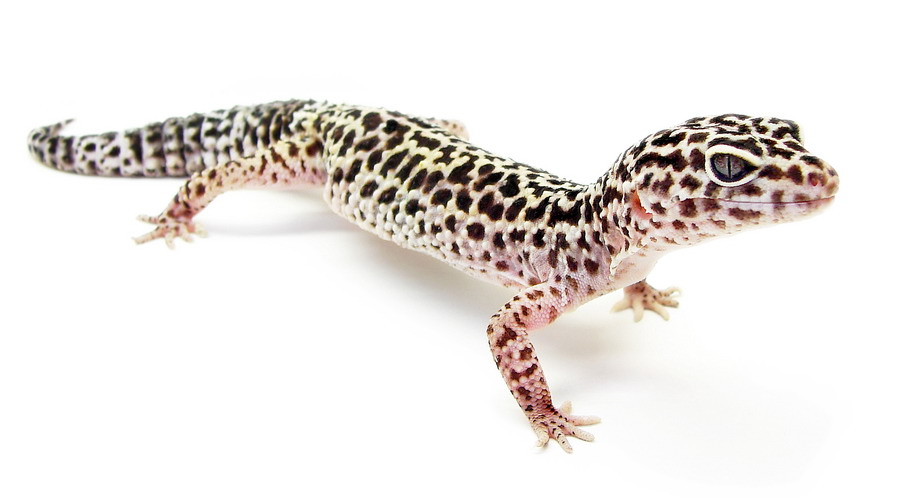
Leopard geckos offer everything beginners could want in an exotic pet: fascinating appearance with their distinctive spotted patterns, manageable size that fits comfortably in most homes, forgiving care requirements that accommodate learning curves, and engaging personalities that reward daily observation and interaction. These spotted desert natives from Afghanistan and Pakistan have become one of the most popular reptile pets worldwide, and their popularity continues growing as more people discover how wonderfully suited they are for first-time keepers seeking their first scaly companion. Their characteristic fat tails that store energy reserves, their intricate spotted patterns that vary incredibly across individuals and morphs, and their nighttime hunting behaviors provide entertaining viewing during evening hours when owners are home to observe.
What sets leopard geckos apart from many beginner reptiles is their incredible tolerance for handling combined with relatively simple environmental requirements that don’t overwhelm new keepers. Unlike some geckos that require high humidity environments and specialized setups, leopard geckos thrive in arid conditions similar to typical household environments with minimal intervention. They don’t need UVB lighting for basic health maintenance (though providing it does offer additional benefits), and their temperature requirements are easily met with simple under-tank heating equipment available at any pet store. This simplicity allows new keepers to succeed from the very beginning, building confidence for future exotic pet adventures while avoiding the frustration that complex husbandry requirements can create for overwhelmed beginners.
Leopard gecko temperaments make them particularly appealing for beginners who want hands-on interaction with their exotic pets without risking injury or stress. They rarely bite, even when startled or mishandled, tolerating extended handling sessions without showing signs of significant stress or defensive behavior. Many develop recognition of their owners over time, approaching the enclosure front during feeding times and showing visible anticipation when handled, creating bonds that feel increasingly personal as months and years of companionship accumulate. Their relatively long lifespan of 15-20 years means these bonds deepen over years of shared experiences, creating relationships that truly last a lifetime and rewarding dedicated keepers with decades of fascinating companionship from a creature that looks prehistoric yet behaves with surprising sophistication.
Quick Facts:
- Lifespan: 15-20 years
- Size: 7-10 inches
- Diet: Insects (crickets, mealworms, dubia roaches)
- Housing: 20-gallon long terrarium minimum
- Handling: Excellent, very docile temperament
- Best for: Children, apartment dwellers, first-time reptile owners
4. Crested Gecko: The Fruit-Eating Gecko Perfect for Beginners
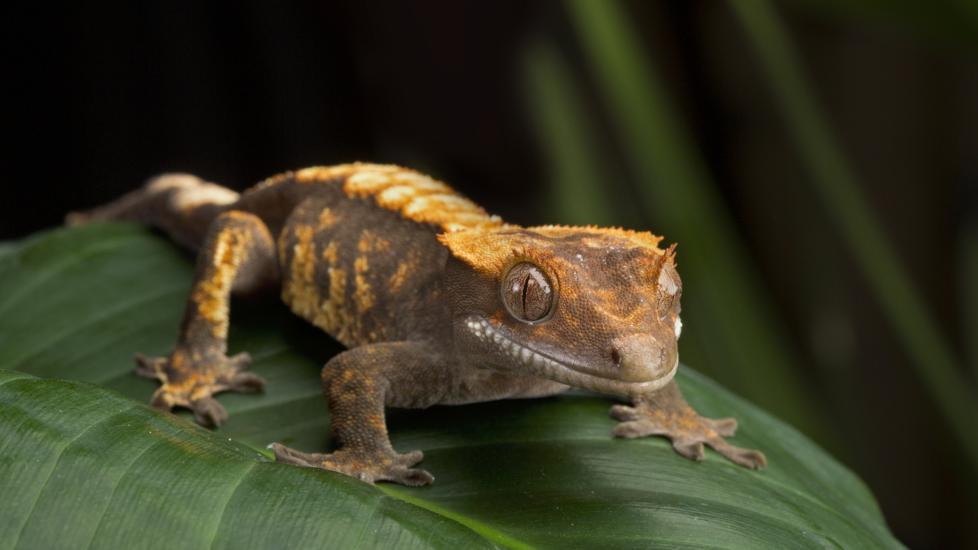
Crested geckos represent perhaps the most accessible entry point into exotic pet ownership available today, requiring no special lighting setups, eating convenient commercial fruit-based diets, and tolerating a wide range of household temperatures without health consequences. These remarkable New Caledonian geckos feature distinctive appearance with fringed crests along their heads and bodies, large expressive eyes that seem to convey emotion, and incredible toe pads for climbing that allow them to scale virtually any surface including smooth glass. For beginners seeking an exotic pet with minimal equipment requirements and maximum visual appeal, the crested gecko offers unmatched accessibility and beauty combined.
The dietary simplicity of crested geckos sets them apart from most other exotic reptiles requiring more complex feeding regimens and live prey acquisition. Instead of hunting live insects or preparing complex meals, keepers simply mix commercial crested gecko diet powder with water and offer it in small dishes within the enclosure. This complete nutrition eliminates stress about balancing vitamins and calcium while still providing the enrichment of occasional insect feeding sessions where geckos can express natural hunting behaviors. Many crested geckos eagerly lap this fruit-based diet with their remarkable long tongues, providing entertaining feeding behaviors that rivals any nature documentary and gives owners satisfying confirmation that their pets are thriving on their carefully chosen diet.
Crested gecko temperaments make them particularly appealing for beginners who want hands-on interaction without the complications of more demanding species. While they can be jumpy and flighty as young animals learning to trust their new environment, adults typically settle into calm handling sessions where they walk calmly across hands and explore unfamiliar spaces with curiosity rather than fear. Their nocturnal nature means they become most active during evening hours when owners are home from work and school, providing daily entertainment as they patrol their enclosures, interact with enrichment items, and display behaviors that reward attentive observation. These fascinating behaviors, combined with their striking appearance, make crested geckos endlessly engaging pets that reward dedicated keepers with years of wonderful companionship and increasingly strong bonds.
Quick Facts:
- Lifespan: 15-20 years
- Size: 7-9 inches
- Diet: Commercial crested gecko diet + occasional insects
- Housing: 20-gallon tall terrarium minimum
- Handling: Good, generally calm temperament
- Best for: Apartment dwellers, working professionals, beginners with limited space
5. Budgerigar (Budgie): The Talkative Parrot for First-Time Bird Owners

Budgerigars, commonly known as budgies, prove that the best exotic pets for beginners sometimes come in small packages that deliver big personalities and significant rewards. These diminutive Australian parakeets have captured hearts for generations with their engaging personalities, remarkable ability to learn words and phrases, and manageable care requirements that suit first-time bird owners perfectly. While larger parrots demand significant time, space, and expertise that can overwhelm newcomers, budgies offer genuine parrot ownership in an accessible, affordable format that rewards keepers with years of cheerful companionship and surprisingly sophisticated interaction that rivals birds many times their size.
The talking ability of budgies delights beginners who might assume only large parrots like African greys or amazons can develop impressive vocabularies and communicate meaningfully. While not every budgie becomes a prolific talker with hundreds of words at their disposal, many males develop impressive vocabularies of hundreds of words and phrases, using them contextually and surprising their owners with unexpected combinations that reveal genuine comprehension. Some budgies learn to sing entire songs, whistle melodies with precision, and engage in what seems like genuine conversation with their favorite humans. This capacity for communication creates a level of interaction that dogs and cats simply cannot match, fostering bonds that many owners describe as more intellectually engaging than traditional pet relationships and more conversationally satisfying than they ever expected from such small birds.
Budgie care requirements align perfectly with beginner capabilities while still providing genuine pet ownership challenges and rewards. They need quality formulated pellets supplemented with fresh vegetables for optimal nutrition, regular cage cleaning to maintain health and prevent odors, daily water changes to ensure fresh hydration, and social interaction that fits naturally into household routines without demanding significant additional time. Their small size means they don’t require large flight cages that take up significant floor space, though they definitely benefit from and enjoy time outside the enclosure for exercise and supervised exploration. Most budgies adapt readily to household routines, learning to anticipate feeding times and responding to their owners’ voices with eager chirping that greets them each morning and evening with enthusiasm that never fails to lift spirits.
Quick Facts:
- Lifespan: 5-10 years
- Size: 7-8 inches
- Diet: Pellets, vegetables, occasional fruits and seeds
- Housing: 18x18x18 inch minimum cage
- Handling: Good, social and interactive temperament
- Best for: Families, apartment dwellers, first-time bird owners
6. African Dwarf Frog: The Fully Aquatic Beginner Amphibian
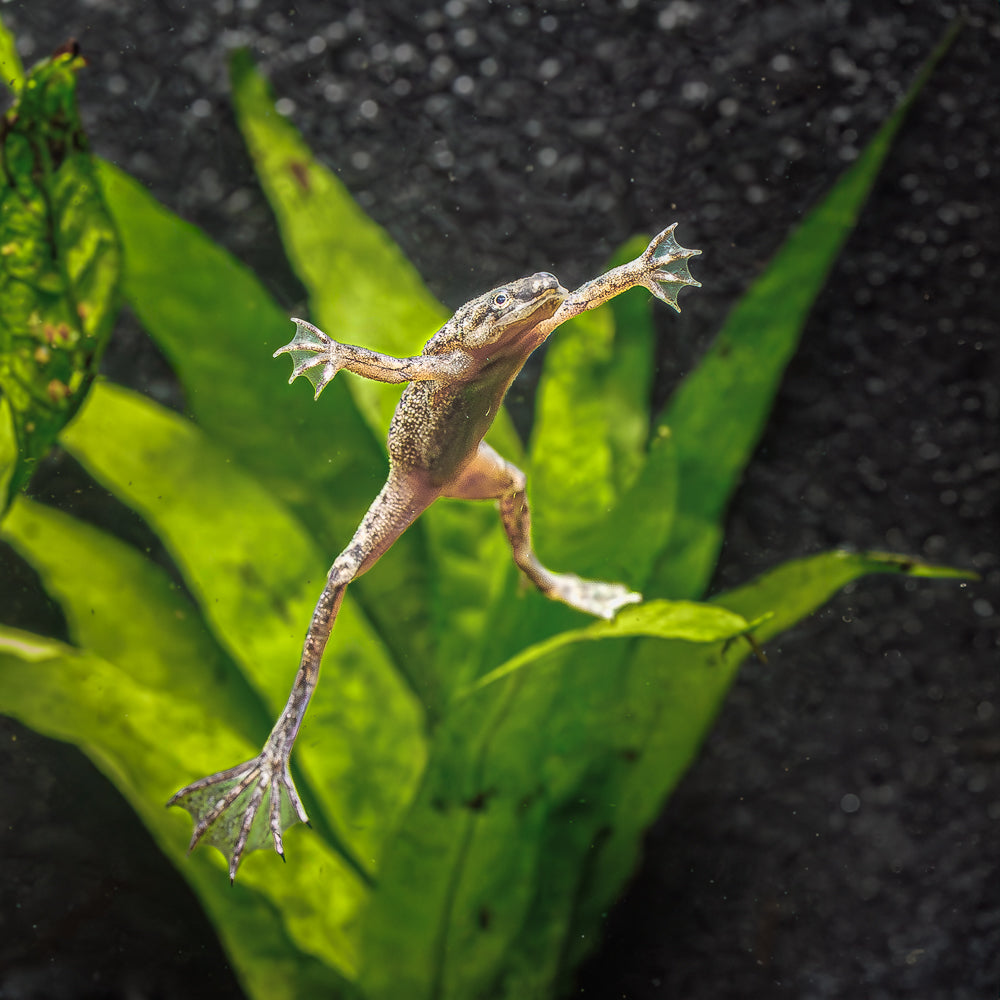
African dwarf frogs offer something unique among beginner exotic pets: fully aquatic amphibian ownership without the complications of semi-aquatic setups, terrestrial areas, or complex environmental transitions that challenge keepers of other amphibian species. These tiny frogs from central Africa spend their entire lives submerged in water, surfacing only to breathe atmospheric air, and adapt beautifully to standard tropical aquarium conditions that hobbyists can easily maintain. For beginners interested in exotic pets but uncertain about handling reptiles or mammals, these amusing amphibians provide an accessible entry point into unusual animal keeping that feels familiar to anyone who has maintained a basic aquarium.
What surprises many new African dwarf frog owners is discovering just how much personality these tiny amphibians possess despite their diminutive size and seemingly simple behaviors. Despite weighing less than an ounce each, they display clear individual preferences, engage in complex social interactions with tankmates, and provide hours of entertainment through their characteristic floating postures, sudden bursts of swimming energy, and amusing attempts at catching food items that display surprising determination and persistence. Watching a group of African dwarf frogs interact reveals surprisingly complex social dynamics that reward attentive observation, including hierarchy establishment, cooperative resting behaviors where frogs pile together for safety, and the entertaining “barking” sounds males produce during breeding season that echo through the tank late at night.
Care for African dwarf frogs dovetails naturally with basic aquarium maintenance, making them ideal for beginners already maintaining or interested in starting a planted aquarium. They require cycled, filtered water at tropical temperatures between 72-78°F, which means sharing tank parameters with peaceful community fish like tetras, guppies, or corydoras catfish without conflict or specialized accommodations. This overlap allows beginners to expand gradually from fish-only tanks to bioactive setups including these charming amphibians, learning aquarium chemistry, filtration biology, and maintenance schedules along the way while building confidence in their ability to keep increasingly complex ecosystems thriving and healthy.
Quick Facts:
- Lifespan: 5-8 years
- Size: 1-1.5 inches
- Diet: Sinking pellets, frozen bloodworms, brine shrimp
- Housing: 5-gallon minimum, community tank compatible
- Handling: Minimal interaction needed, observation-focused species
- Best for: Aquarium enthusiasts, apartment dwellers, those with limited handling capacity
7. Betta Fish: The Living Art of the Aquarium World
:strip_icc()/siamese-fighting-fish-bettas-1378308-hero-f459084da1414308accde7e21001906c.jpg)
Betta fish offer the most accessible exotic pet experience available, combining stunning beauty with remarkably forgiving care requirements that accommodate learning curves and beginner mistakes. These Siamese fighting fish from Thailand have been selectively bred for centuries, resulting in flowing fins that cascade like liquid silk through the water and iridescent colors that transform any aquarium into an underwater art installation worthy of gallery display. For beginners with limited space, time, or experience, betta fish provide genuine exotic pet ownership without the demanding requirements that challenge first-time keepers of other unusual species, making them the perfect introduction to the wonders of exotic animal keeping.
The resilient nature of betta fish makes them extraordinarily forgiving of beginner mistakes that would prove fatal to more delicate species in the aquarium hobby. While they absolutely deserve and thrive on excellent care provided by dedicated keepers, they survive temperature variations and water quality fluctuations that would quickly kill more sensitive species that require pristine conditions. This remarkable hardiness provides peace of mind while beginners learn proper aquarium maintenance, allowing new keepers to develop essential skills gradually without devastating consequences for their beloved pets. The evolutionary adaptation that enables this resilience, their specialized labyrinth organ for breathing atmospheric air directly, also makes bettas uniquely suited to life in smaller containers where other fish would simply suffocate from oxygen deprivation.
Betta fish personalities regularly surprise newcomers who expected passive decoration rather than engaging companions with distinct temperaments and preferences. These intelligent fish recognize their owners, responding to approaches with visible anticipation and following fingers along tank glass with evident curiosity that suggests genuine awareness of their surroundings. Individual bettas display remarkably distinct temperaments, from bold explorers who greet their owners enthusiastically and investigate every new addition to their domain, to more reserved individuals who prefer observing from favorite resting spots among plants or decorations. This personality variation means selecting a betta feels genuinely like choosing an individual companion rather than acquiring generic livestock, creating personal connections that deepen over years of shared living space and daily observation.
Quick Facts:
- Lifespan: 3-5 years
- Size: 2-3 inches (not counting flowing fins)
- Diet: Betta pellets, frozen/fresh foods
- Housing: 5-gallon minimum tank
- Handling: Minimal, observation-focused species
- Best for: Apartment dwellers, beginners with limited space, those seeking low-maintenance pets
8. Russian Tortoise: The Hardy Shelled Companion
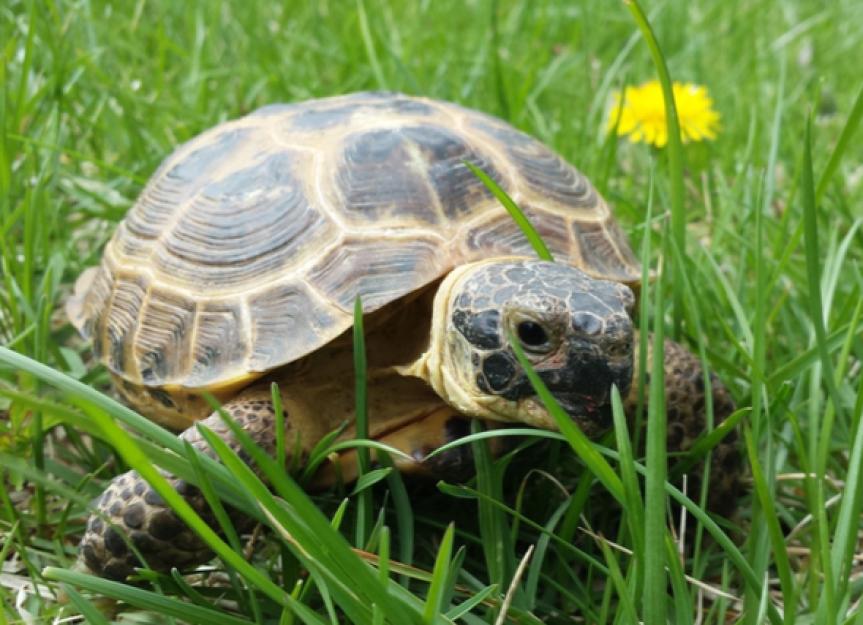
Russian tortoises prove that exotic pet ownership can include genuinely ancient-seeming companions with remarkably adaptable temperaments and forgiving care requirements. These central Asian natives have evolved to survive extreme temperature variations that would challenge more sensitive species, making them more forgiving of husbandry inconsistencies and environmental fluctuations that beginners inevitably encounter while learning their craft. Their manageable adult size, engaging personalities that emerge over years of companionship, and potential lifespan exceeding 40 years make them ideal exotic pets for beginners prepared for genuine long-term commitment and the rewards that come with decades of devoted tortoise keeping.
The adaptability of Russian tortoises simplifies beginner care significantly compared to more demanding tortoise species requiring precise environmental control. While they certainly appreciate and thrive under optimal conditions when provided, they tolerate temperature ranges and environmental variations that would stress more delicate species into illness or behavioral problems. In appropriate climates, they can live outdoors year-round in properly designed enclosures, enjoying natural sunlight exposure that supports their health, breathing fresh air, and grazing on edible weeds and grasses that provide both nutrition and enrichment. This outdoor keeping option allows beginners to provide superior husbandry more easily than complex indoor setups require, while also connecting keepers more directly with the natural behaviors and rhythms of their shelled companions.
Russian tortoise personalities emerge gradually over months and years of companionship, rewarding patient keepers with fascinating individual characters that develop unique quirks and preferences over time. Some Russian tortoises become eager foragers who approach enclosure edges hopefully whenever humans appear, anticipating the fresh vegetables and weeds that might be offered. Others develop favorite resting spots and protest dramatically when weather prevents their outdoor excursions, displaying opinions and preferences that surprise keepers who expected simpler mental lives. This personality development creates bonds that deepen over years, teaching keepers the particular satisfaction of earning trust from animals whose lifespans can rival human lifespans, creating relationships that truly span generations and connect us with deep time in ways few other pets can achieve.
Quick Facts:
- Lifespan: 40-50+ years
- Size: 6-10 inches
- Diet: Herbivore (grasses, weeds, dark leafy greens)
- Housing: Outdoor enclosure recommended, 4×8 feet minimum
- Handling: Good, generally calm temperament
- Best for: Homeowners with yards, long-term planners, those seeking generational pets
9. Hedgehog: The Spiny Sweetheart of Small Mammals
:strip_icc()/hedgehog-159164824-57ffe2983df78cbc2894bcef.jpg)
African pygmy hedgehogs have surged in popularity as exotic pets precisely because they combine manageable care with genuinely engaging personalities and manageable size for most living situations. These small mammals from Africa arrive curled into defensive balls when first threatened, their approximately 5,000 spines providing effective protection against perceived predators, but beneath those prickly exteriors lurks a surprisingly affectionate creature capable of forming deep bonds with patient owners who take time to earn their trust. For beginners seeking an unusual pet that rewards handling and develops genuine attachment, hedgehogs offer unique satisfaction that cats and dogs simply cannot replicate, combining the manageability of small pets with the personality depth typically associated with larger companion animals.
The nocturnal nature of hedgehogs suits many household schedules perfectly, becoming most active precisely when owners return home from work and school after daylight hours. While dogs demand early morning walks and cats need play during daylight hours when family members are away, hedgehogs remain contentedly sleeping during the day and become animated companions during evening relaxation times. Evening handling sessions become treasured quiet time for families, watching these determined explorers investigate new environments, gradually relax into trusting hands, and display characteristic behaviors like “anointing” where they produce foamy saliva and spread it across their quills when excited by new scents. Their characteristic clicking sounds during exploration and soft chirps during particularly relaxed moments create an audio landscape that enriches evening hours with their distinctive presence.
Hedgehog care requirements, while specific in their details, remain manageable for dedicated beginners willing to learn proper protocols and invest in appropriate equipment initially. They need consistent temperatures between 72-80°F maintained through dedicated heating to prevent health problems including respiratory infections and failed thermoregulation. Quality hedgehog food or appropriately formulated cat foods serve as dietary foundation, supplemented with insects and occasional treats that provide variety and enrichment. Solid-surface exercise wheels become non-negotiable additions to their enclosure, as these active animals need nightly exercise to maintain healthy weight and prevent boredom-induced behavioral problems. Their relatively simple setups allow beginners to focus on mastering fundamentals before expanding into more complex exotic pet keeping adventures, building confidence alongside competence.
Quick Facts:
- Lifespan: 4-7 years
- Size: 5-8 inches
- Diet: Insectivore (commercial food, insects, lean meats)
- Housing: 4 square feet minimum floor space
- Handling: Good with proper early socialization
- Best for: Apartment dwellers, evening schedule people, those seeking quiet pets
10. Axolotl: The Forever-Young Water Dragon
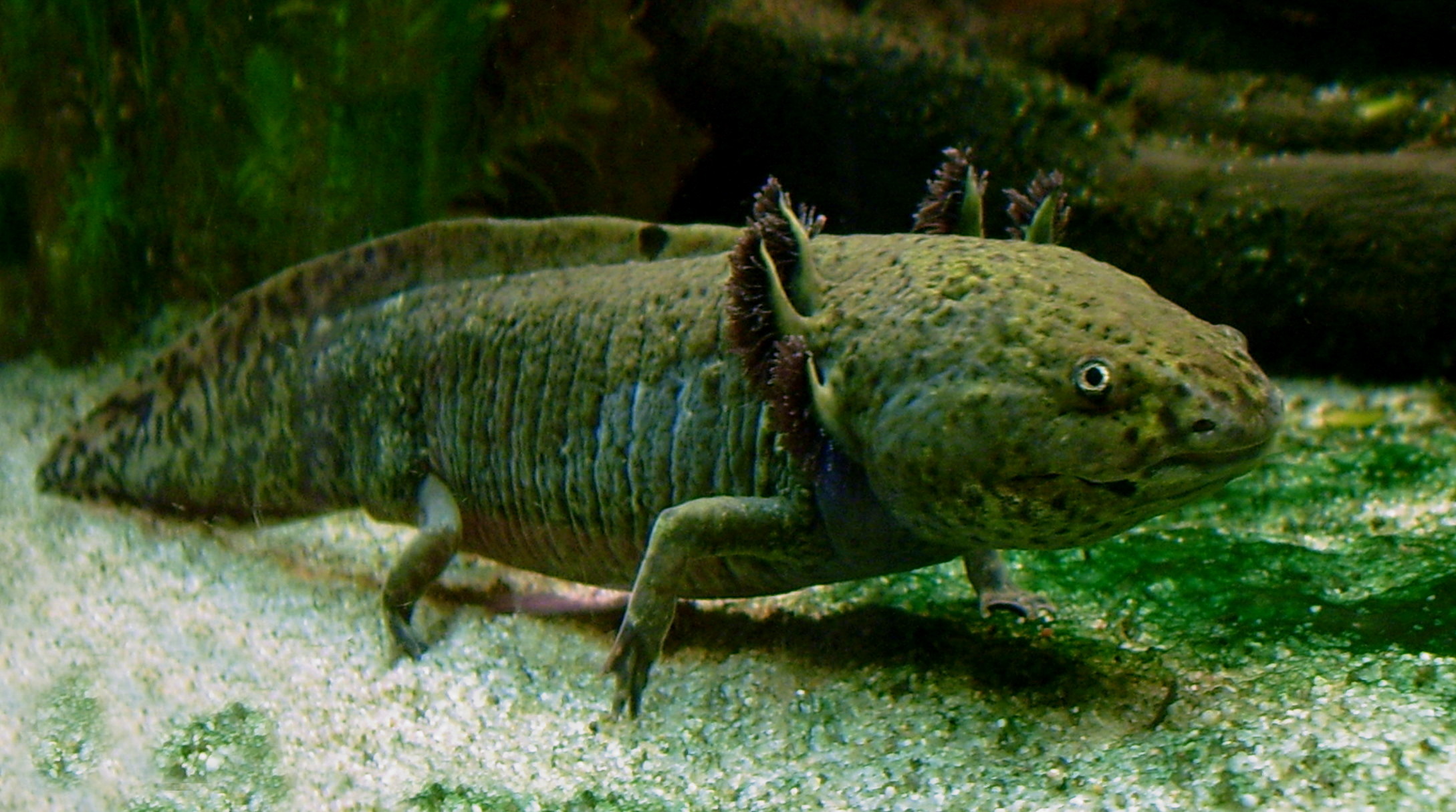
Axolotls occupy a unique position in the exotic pet world, combining remarkable neotenic biology with surprisingly accessible care requirements that suit dedicated beginners remarkably well. These Mexican amphibians retain their larval features throughout their entire lives, including the feathery external gills that give them their mythical, almost dragon-like appearance that draws compliments from everyone who sees them. Their remarkable regenerative abilities, capable of regrowing entire limbs, organs, and even portions of their hearts and brains, have made them invaluable to scientific research while simultaneously fascinating hobbyists who enjoy observing these unusual characteristics in their own home aquariums.
The care requirements for axolotls, while specific in their particulars, align well with beginner capabilities and existing aquarium skills that many potential keepers already possess. Their primary needs are consistently cool water between 60-68°F maintained through careful placement or dedicated cooling equipment, excellent water quality maintained through regular partial water changes and appropriate filtration, and appropriately-sized enclosures with multiple hiding places that provide security and reduce stress. Unlike many exotic pets requiring specialized lighting, elaborate heating systems, or complex humidity control, axolotls often thrive with equipment commonly available at pet stores and basic aquarium knowledge that newcomers can easily acquire. This accessibility allows new keepers to succeed from the start, building confidence that encourages continued learning and future exotic pet adventures.
Axolotl personalities, while different from mammals or birds in their expression, reward attentive observation with fascinating behaviors that reveal awareness and engagement with their environments. Many owners report their axolotls recognize feeding times, swimming eagerly toward the tank front when approached with food anticipation that seems almost dog-like in its enthusiasm. Individual axolotls display preferences for particular hiding spots and reactions to new decorations that suggest distinct personalities emerging over time. While scientists cannot definitively determine the subjective experience of these unusual creatures, their behaviors certainly suggest awareness and engagement that creates genuine connection between keeper and companion. These bonds, combined with the axolotl’s mythical appearance and remarkable biology, create pets that reward dedicated keepers with years of fascination and wonder that never quite becomes routine.
Quick Facts:
- Lifespan: 10-15 years
- Size: 9-12 inches
- Diet: Carnivore (earthworms, specialized pellets)
- Housing: 20-gallon minimum aquarium
- Handling: Minimal, observation-focused species
- Best for: Aquarium enthusiasts, those seeking unusual pets, homeowners with cool spaces
Choosing Your First Exotic Pet: Final Thoughts
Selecting your first exotic pet represents the beginning of a journey that will likely transform your understanding of animal companionship and expand your appreciation for the diversity of life that can share our homes. Each species on this list offers unique rewards while remaining accessible to dedicated beginners, meaning you truly cannot make a genuinely wrong choice among them. Your decision should ultimately reflect your specific living situation and available space, schedule flexibility and time commitments you can realistically maintain, and personal interests in specific types of animals that genuinely excite and motivate you to learn.
Consider your long-term commitment carefully before making your selection, as several species on this list may outlive marriages, careers, and significant life changes that characterize adult life. Species like Russian tortoises and corn snakes regularly exceed 20 years with proper care, while some tortoises can exceed 50 years, creating genuine generational companions that connect us across timescales few other pets can achieve. While this longevity represents one of the greatest appeals of exotic pet ownership, it demands serious contemplation and honest assessment of your life stability before acquisition. Shorter-lived species like African dwarf frogs and betta fish offer wonderful exotic pet experiences without such extended commitments, making them appropriate for those still determining their long-term living situations or uncertain about extended pet ownership.
Research thoroughly before bringing any exotic pet home, as even these accessible species have specific requirements that must be understood and consistently provided for optimal health and welfare throughout their lives. Join online communities dedicated to your chosen species, read care guides from multiple reputable sources, and connect with experienced keepers who can guide your learning curve and help you avoid common beginner mistakes that challenge new keepers. The investment in preparation pays dividends throughout your pet’s life through reduced stress, fewer health problems, deeper bonds, and the satisfaction of knowing you’re providing genuinely excellent care to a creature depending entirely on your knowledge and dedication for their wellbeing and happiness.
Welcome to the wonderful world of exotic pet ownership. Whatever species you choose from this carefully curated list, you’re embarking on a journey that will introduce you to creatures you might never have imagined sharing your life with, and the bonds formed with exotic pets often prove more surprising and rewarding than those developed with traditional companion animals. Your adventure begins now, and the animals on this list await with personalities, beauty, and unique qualitie